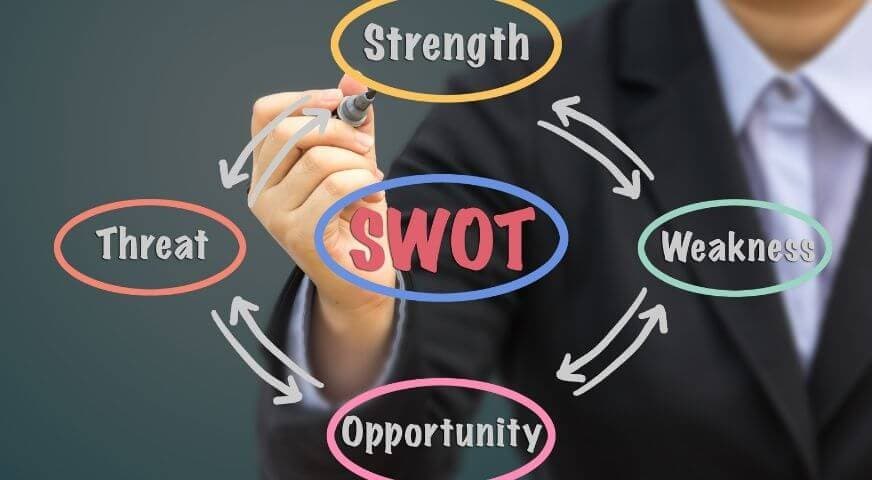
What is SWOT Analysis?
SWOT analysis is an effective analytical method that helps individuals or organizations make the right decisions by assessing their strengths and weaknesses. Through this analysis, it is possible to achieve success both on an individual level and across various sectors. SWOT consists of four main evaluation criteria: Strengths, Weaknesses, Opportunities, and Threats. SWOT analysis covers both the internal structure of organizations and the opportunities and threats in the external environment. Thus, this analysis makes it possible to identify potential risks that companies may face in advance and to make strategic decisions. Since the SWOT chart is prepared with a multifaceted and objective approach, it facilitates the decision-making process. Moreover, thanks to this tool, businesses and individuals can accurately analyze their target audiences and positions in the market. As a result, SWOT analysis is an important tool that provides essential information for strategic planning and development.
When is SWOT analysis used?
SWOT analysis is used in the process of making important strategic decisions and preparing plans. It is very important to examine the overall picture in small parts during planning. SWOT analysis analyzes and evaluates each part within the framework of internal and external factors. Therefore, it is one of the effective tools you can use in personal or corporate organizations. The strategic points where SWOT analysis can be used are as follows:
- When starting to plan a project,
- When conducting competitive analysis,
- When determining career development stages,
- When assessing the current situation,
- When preparing a personal development plan,
- When working on new methods and approaches,
- In the process of strategic planning and problem-solving.
Components of SWOT analysis
The components of SWOT analysis are divided into two main groups: internal and external factors. Internal factors include the strengths and weaknesses of an individual or organization, and these are features under the control of the organization itself. External factors are opportunities and threats, which are external environmental factors that affect the activity of an individual or company but cannot be influenced by them. Through this analysis, people and organizations can identify both their advantages and areas for improvement and risk. Thus, SWOT analysis is an essential tool for making the right decisions and preparing strategic plans.
Strengths
The factors that strengthen the position of an individual or organization in the sector are included in this section. Available resources, achievements, and advantages help to identify strengths. It is recommended to conduct market research when identifying your strengths. In this way, you can give more precise answers according to your share in the sector.
Weaknesses
Weaknesses are very important for obtaining accurate results from SWOT analysis. Therefore, it is essential to approach weaknesses completely objectively when identifying them. Inexperienced employees, technological and material deficiencies can be examples of weaknesses. At this stage, you may also consider your development opportunities, personal network, and sources of financial and moral support.
Opportunities
The increase in demand for the service you provide or the product you sell, and the strengthening of technological infrastructure are included in the opportunities section. Government support or scholarships may also bring many opportunities. Therefore, knowing the opportunities will motivate you to take action. At this stage, you can also consider your advantages and experiences that differentiate you from your competitors.
Threats
Identifying potential threats in the future allows you to take precautions against possible difficulties in advance. Timely detection of threats facilitates risk management both at the individual and corporate level. Your financial strength, experience, and network can either reduce the impact of these threats or, depending on the situation, cause them to grow further. At this stage, it is especially important to consider risks such as the possibility of employee turnover, loss of market share, strengthening of competitors, and financial crises. Thus, assessing potential threats in advance helps to prepare a more resilient and sustainable action plan.
Limitations of SWOT analysis
Do you really want to conduct an effective and accurate SWOT analysis? There are some limitations that you need to pay attention to for this purpose. By considering these limitations, you can start the process of making changes or improvements in your plans.
Subjectivity: Corporate and personal analyses are shaped according to the perspective of the person conducting the analysis. Therefore, the results of the analysis may vary depending on the thoughts of the individual or group who performs it.
Variability: External factors that affect your plan may change over time or completely disappear. Therefore, external factors must be taken into account, and SWOT analysis should be regularly updated.
Risk of general approach: There are widely accepted broad categories in SWOT analysis. Gathering all information under these categories may cause some important details to be overlooked. Therefore, it is recommended to respond by considering all details during the analysis.
The importance and benefits of SWOT analysis for businesses
SWOT analysis helps companies gain an objective view of their strengths and weaknesses. This tool makes it easier to understand the position of the business in the sector. Determining brand position requires extensive research. Successful businesses conduct competitor analysis and seek the right solution strategies to maintain their existing reputation. SWOT analysis enables companies to take the right steps at this stage. It encourages the use of strengths. At the same time, it reminds of the need to evaluate opportunities and prevent threats.
How is SWOT Analysis Conducted for Businesses?
SWOT analysis aims to properly manage the decision-making processes of businesses. Therefore, the accuracy of the analysis phase is extremely important. There are some points to pay attention to when conducting a SWOT analysis. First of all, all elements of the analysis should be evaluated separately. Because SWOT analysis consists of interrelated stages. Your strengths and weaknesses shape the opportunities and threats you may encounter. Therefore, each step of the analysis should be answered sequentially and carefully. Sector-specific knowledge and an objective approach are very important for conducting the analysis accurately and effectively.
Preparation stages before SWOT analysis
Preparatory work conducted before SWOT analysis ensures that the process is carried out more efficiently and systematically. For this, we offer you an ideal SWOT analysis route. By using this route, you can conduct an accurate and reliable analysis for your business.
- Determine your goal: Goals are key factors that define the results to be achieved. Therefore, before starting the analysis, determine the main goal of your work. This goal may be increasing the market sales of a product, evaluating the company's performance, or expanding it.
- Select participants: Make sure that the people conducting the analysis can provide accurate and correct opinions about the process. Participants are mainly selected from management, marketing, sales, production, and finance departments. You can also appoint participants from among people familiar with the internal and external processes of the business.
- Collect necessary information and data related to your business: Analyzing the current situation is very important for brands that want to grow or change their strategy. Therefore, gather all necessary information about the current status of your company. Review financial reports, marketing activities, and customer feedback. In this way, you can obtain objective and real data.
- Conduct sector and market research: The internal and external factors of the sector you are in directly affect your position in the market. Therefore, research the changes in the sector in which your business operates. Closely monitor existing trends and competitors. By identifying potential opportunities and possible risks, you can prepare a comprehensive marketing strategy.
- Educate analysis participants: To increase the success potential of the SWOT analysis, inform the team conducting this process. Provide information about what SWOT is, how it is applied, and why it is important. You can organize seminars and trainings for this purpose.
- Determine the completion time of the analysis: Plan how long it will take to complete the SWOT analysis. This period may vary depending on the depth and scope of the analysis. It is recommended to consider the number of participants, the size of the sector, and the data collection process when determining the period.
- Prepare necessary tools and materials: Use necessary tools and materials to conduct the analysis with accurate data. Determine in advance the tools you will use. Prepare necessary software, survey forms, and templates in advance. Organize financial documents and market research before starting the analysis.
- Establish an effective communication strategy: Prepare an effective communication strategy to avoid communication problems during the work process. Determine in advance at which stages and how communication will be conducted during the analysis. In this way, the SWOT analysis will be carried out more efficiently and appropriately.