What is inbound marketing?
Among marketing strategies, one of the most popular methods in recent years is inbound marketing. Unlike traditional marketing approaches, this method aims to attract customers and build a deeper connection with them. The main principles of inbound marketing include responding to customers' needs, creating content that interests them, and attracting them through this content. The effectiveness of this strategy is based on customers approaching brands willingly rather than being forced. As a result, customer loyalty and satisfaction increase, contributing to the long-term success of companies. In this article, we will explore what inbound marketing is, its key elements, and its benefits in detail.
What are the key elements of inbound marketing?
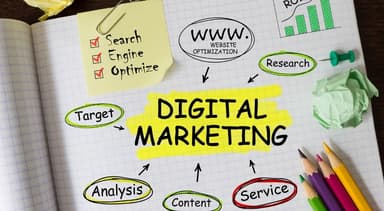
Inbound marketing consists of several key elements that work together to create an effective marketing strategy. First and foremost, content creation and distribution are crucial. Various types of content, such as blog posts, videos, infographics, and social media posts, can be used to attract customers' attention.The second key element is SEO (Search Engine Optimization). A well-structured SEO strategy ensures that the content reaches a larger audience by making it more discoverable in search engines.The third element is social media platforms. These platforms enable direct engagement with customers and help attract them to the company. The fourth element is analytics and measurement. Analytical tools are used to measure the success of inbound marketing campaigns and refine strategies based on data insights. All these elements come together to help brands build stronger relationships with customers and establish long-term connections.
What are the benefits of inbound marketing?
One of the biggest advantages of inbound marketing is the reduction in customer acquisition costs. Compared to traditional marketing methods, inbound marketing requires less financial investment. Since customers are naturally drawn to the company, advertising costs are also minimized. Another benefit is increased customer loyalty. When customers receive valuable and relevant information, their trust and loyalty toward the brand grow. A third advantage is the creation of a highly targeted customer base. With inbound marketing strategies, businesses can reach the right audience, leading to higher sales and revenue. Finally, this method delivers long-term results. The content created and the relationships built over time deepen, continuously contributing to the company’s success.
Content strategy in inbound marketing
Content strategy is the foundation of inbound marketing. A well-thought-out and well-executed content strategy is essential for attracting and retaining customers. The first step in a content strategy is identifying the target audience. This requires understanding customers' interests, needs, and pain points. The next step is to create a content plan based on this information. Various types of content, such as blog posts, videos, social media posts, e-books, and webinars, should be developed. These content types should support customers at different stages—research, decision-making, and purchase—helping them navigate their journey. To ensure the success of a content strategy, consistency and regular updates are crucial. Providing customers with fresh and engaging content strengthens their connection with the company and increases brand loyalty.
SEO and Inbound Marketing
SEO (Search Engine Optimization) is one of the key elements of inbound marketing. It refers to the process of optimizing a website and its content for search engines. The main goal of SEO is to improve a website’s ranking in search results, making it easier for users to find. A strong SEO strategy increases website traffic and enhances engagement with content.
The main components of SEO include:
- Keyword research – Identifying the most relevant topics customers search for.
- Content optimization – Creating and refining content based on target keywords.
- Technical SEO – Optimizing the website's structure, speed, and performance.
- Backlink building – Increasing the number of inbound links from other websites to enhance SEO rankings.
By implementing these SEO strategies, businesses can improve search engine visibility, attract more potential customers, and enhance the overall effectiveness of inbound marketing.
The Role of Social Media
Social media plays a crucial role in inbound marketing strategies. It serves as an ideal channel for directly engaging with customers and providing them with valuable content. Platforms like Facebook, Instagram, Twitter, LinkedIn, and YouTube are used to reach different audiences and build strong relationships with them.
Through social media, businesses can gain valuable insights into customer interests, needs, and feedback, helping to refine content strategies for better effectiveness. Additionally, social media campaigns enhance brand awareness and visibility. Engaging with customers, answering their questions, and addressing their concerns help boost customer satisfaction and loyalty.
When combined with the right strategies, the power of social media significantly contributes to the success of inbound marketing, making it a vital component of modern digital marketing efforts.
The Importance of Analytics and Measurement
Analytics and measurement are essential for evaluating and improving the effectiveness of inbound marketing strategies. By using analytical tools, businesses can track and analyze marketing campaign results, enabling data-driven decision-making.
Platforms such as Google Analytics, HubSpot, and other analytics tools help track website visitors’ behavior, measure content performance, and monitor sales growth. These insights allow businesses to determine which content attracts the most engagement, which channels drive the most traffic, and which strategies are most effective.
By leveraging this data, marketing campaigns can be continuously refined and optimized for better results. Ultimately, analytics and measurement contribute to the long-term success of inbound marketing and business growth.
Customer-Centric Approach
One of the core principles of inbound marketing is a customer-centric approach. This approach focuses on understanding customer needs and preferences, delivering valuable content and services that cater to them. By adopting a customer-centric strategy, businesses can build deeper and more meaningful relationships with their audience.
It starts with identifying customer pain points and addressing them through relevant content. Providing useful and engaging information enhances trust and strengthens the bond between customers and the brand. Additionally, paying attention to customer feedback is essential for improving products and services.
A customer-centric approach ensures long-term customer satisfaction and loyalty. By meeting customer needs, delivering value, and making their lives easier, businesses lay the foundation for inbound marketing success.
Inbound marketing in a competitive environment
In a competitive market, inbound marketing helps businesses stand out from their rivals. Creating innovative and engaging content attracts customers and positions a brand as an industry leader. To differentiate from competitors, businesses must develop unique content strategies that capture customer attention.
Innovative approaches help maintain customer interest and strengthen brand loyalty. Additionally, monitoring customer expectations and market trends allows businesses to refine their strategies accordingly. Inbound marketing provides companies with the opportunity to meet these demands and create value for their customers.
Thus, inbound marketing plays a crucial role in strengthening a company's market position and ensuring long-term success in a competitive landscape.
The Role of Technology in Inbound Marketing
The advancement of technology creates new opportunities to enhance the effectiveness of inbound marketing. Various technological tools and platforms simplify and improve content creation, distribution, and tracking processes.
- CRM (Customer Relationship Management) systems are essential for managing customer relationships and tracking their behaviors.
- Email marketing tools are used to send personalized content to customers, capturing their interest and engagement.
- Social media management tools facilitate content sharing across different platforms and help establish interactive communication with customers.
- Analytics tools are crucial for tracking marketing campaign performance and making necessary improvements.
The role of technology ensures that inbound marketing becomes more efficient and productive, allowing businesses to provide better services to their customers.
Inbound marketing holds a unique place among modern marketing strategies. Instead of forcefully attracting customers, its primary principle is to naturally draw them in by addressing their needs and interests.
The effectiveness of an inbound marketing strategy relies on the seamless integration of key elements, such as content creation, SEO, social media, analytics, and a customer-centric approach. This method enables companies to increase customer loyalty, stand out in a competitive market, and achieve long-term success.
With technological advancements, inbound marketing continues to grow stronger, helping businesses provide even better customer experiences. As a result, inbound marketing has become one of the key drivers of success in the modern business world.